
DETOCS Final Conference in Middelburg Highlights European Cooperation to Decarbonise Tourism
From policy learning to policy change: European regions share solutions for a more sustainable, energy-efficient and climate-neutral tourism sector.
Middelburg, the Netherlands – 15 October 2026
European regions are taking concrete steps towards a more sustainable tourism sector, as demonstrated by the final conference of the Interreg Europe DETOCS project (Decarbonising the Tourism Industry Post Covid-19 Support), held in Middelburg, the Netherlands, on 15 October 2026. Bringing together project partners, policymakers, tourism professionals and sustainability experts from eight European countries, the event showcased how interregional cooperation can turn shared knowledge into practical solutions and lasting policy improvements.
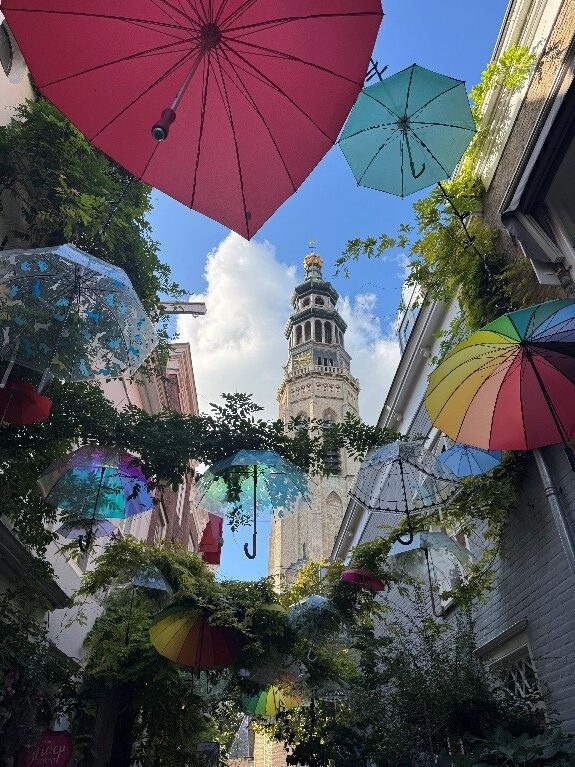
Under the theme “Saving Energy in the Tourism Industry: From Policy Learning to Policy Change”, the conference marked the culmination of the DETOCS project, highlighting its achievements and exploring how regions can continue to reduce energy consumption, improve the environmental performance of tourism businesses and advance towards climate-neutral tourism. A key outcome of the project was the development of six policy improvements across six partner regions in Slovenia, Greece, Malta, Finland, Italy, and the Netherlands – alongside planned policy improvements in two additional partner regions within Bulgaria and Hungary. These results demonstrate how exchanging experiences, learning from successful practices and working across borders can strengthen local and regional policies beyond the lifetime of an individual project.
The conference opened with welcome remarks from Tobias van Gent, Alderman for International Affairs at the Municipality of Middelburg, who underlined the city’s commitment to sustainable development and the importance of European cooperation in addressing climate challenges. He highlighted how initiatives such as DETOCS enable local and regional authorities to learn from one another and translate shared ambitions into practical action.
In her keynote presentation, Fleur de Nooijer of the Municipality of Middelburg shared local experiences and lessons learned in sustainable tourism, heritage conservation and the urban energy transition. Her presentation demonstrated how local authorities can integrate circular thinking into policy development, balancing environmental objectives with economic development and the preservation of cultural heritage. She also highlighted how policy learning through DETOCS had helped strengthen local policies and support longer-term sustainability goals.
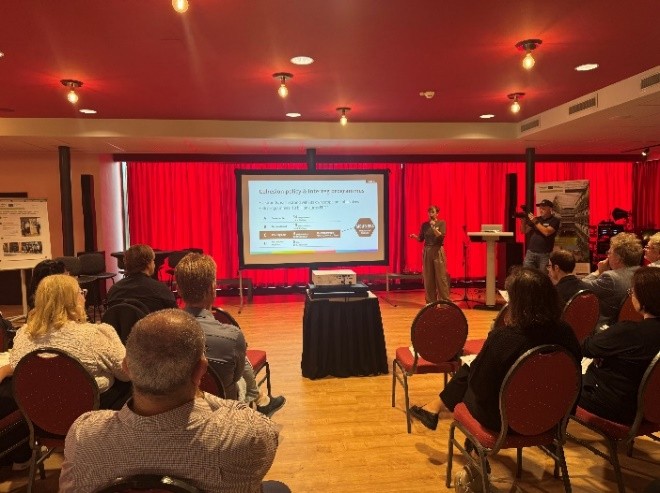
Charo Camacho Cabello (left) of the Interreg Europe Joint Secretariat presented the programme’s role in supporting interregional policy learning. She highlighted how cooperation between regions facing similar challenges enables partners to exchange knowledge, identify transferable good practices and improve public policies. The six policy improvements achieved through DETOCS within the project lifetime illustrated how this collaborative approach can deliver lasting benefits beyond the formal duration of a project.
DETOCS lead partner, Tea O. Potočnik from the Local Energy Agency Spodnje Podravje, went on to introduce the project, its objectives and partnership, and the role of interregional exchange in supporting its results.
Together, these contributions highlighted a central message of the project: European cooperation is most effective when learning is translated into concrete policy action that continues to deliver results after a project ends.
Presenting findings from the project’s PESTEL and SWOT analyses, Charles Yousif from the University of Malta outlined six common challenges affecting tourism decarbonisation across Europe identified through DETOCS:
- Financing Instruments, Mechanisms and Policy-Driven Incentives: Challenges associated with securing and managing funding and incentives for projects.
- Political Commitment and Strategies: Issues arising from inconsistent or insufficient political support and strategic planning.
- Implementation of Green Technologies: Difficulties in adopting and integrating environmentally friendly technologies.
- Energy Renovation and Zero-Energy Buildings: Obstacles to upgrading buildings and infrastructure to meet zero-energy standards.
- Bureaucratic Barriers to Decarbonisation: Regulatory and administrative hurdles affecting decarbonisation efforts.
- Workforce Shortages and Training: Shortages of skilled personnel and the need for specialised training programmes.
These findings underline the need for continued policy action, investment and capacity building to accelerate the transition towards lower-carbon tourism, with a long-term perspective towards climate neutrality by 2050.
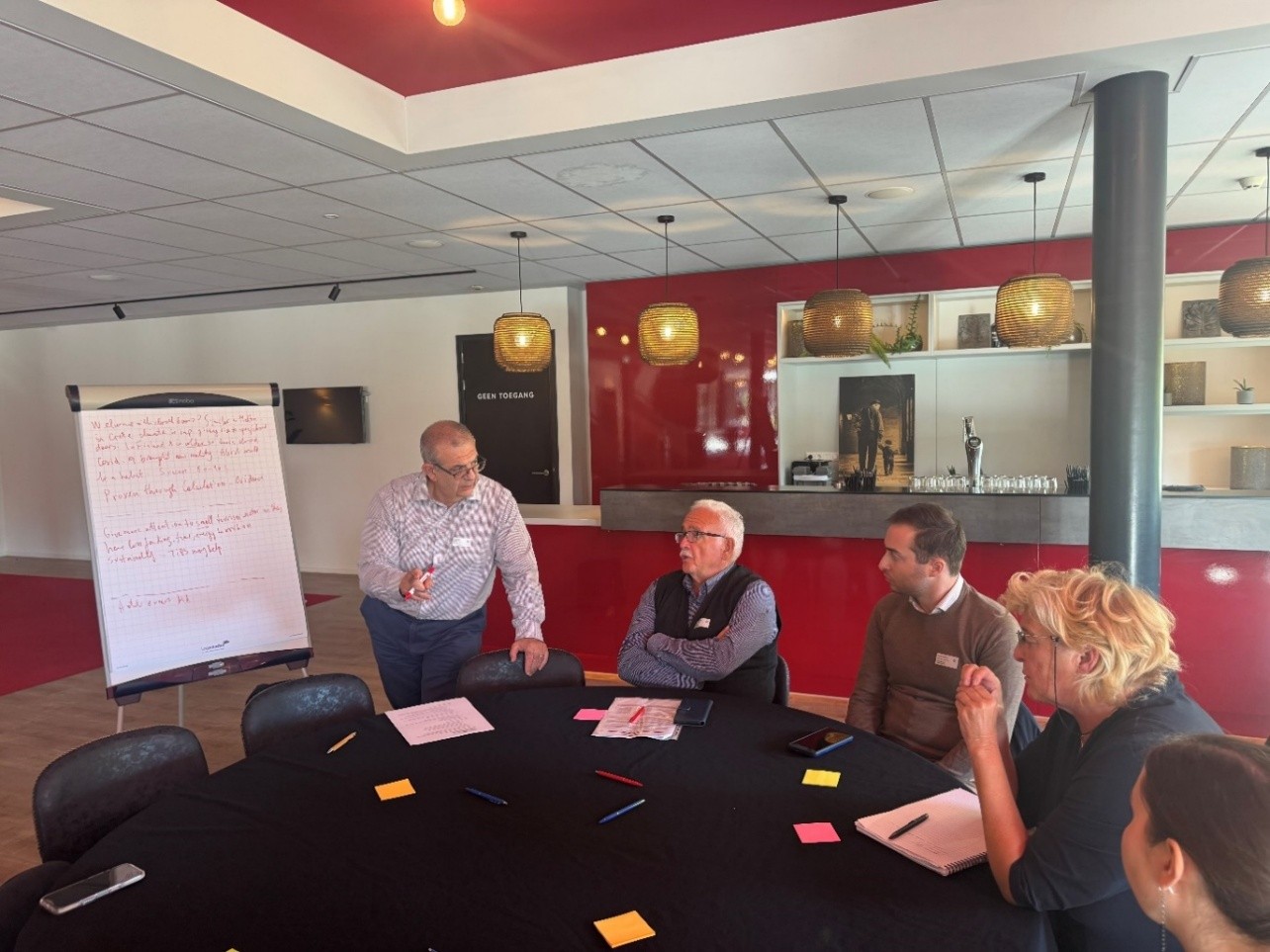
Ioannis Vourdoubas from the Mediterranean Agronomic Institute of Chania (CIHEAM MAICh) presented key insights from the DETOCS Joint Thematic Guidebook, which brings together examples of sustainable tourism practices from the eight participating regions, supported by cost estimates and financial feasibility analyses. The findings demonstrate that many energy-efficiency improvements and renewable energy solutions can already be financially viable, strengthening the case for tourism operators to invest in reducing their environmental impact.
Madeline Langlois of EIfI-Tech e.V., the project’s advisory partner, then presented examples of turning policy learning into action, including examples of improved policy changes across six partner regions across Europe, with planned future policy improvements in two additional regions. The conference also featured a showcase of partner posters presenting policy improvements and dedicated action plans from the eight regions.
Together, these contributions demonstrated how regional analysis, knowledge exchange and practical examples can help policymakers identify effective measures and develop policies tailored to local needs.
Lessons from tourism businesses: sustainability in practice
The conference also brought the discussion closer to the realities faced by tourism businesses, with contributions from local entrepreneurs who shared their experiences of investing in sustainability.
Tiny Maenhout (Municipality of Middelburg) presented the renovation and conversion of an agricultural barn into a cooking school and bed and breakfast, incorporating geothermal heat pumps for heating and cooling while preserving the building’s original character and heritage value. Her example illustrated how historic buildings can be adapted for contemporary tourism uses while improving their energy performance.
Erwin Veldman, owner of the Zeeuws Ontspannen private wellness retreat in Middelburg, shared the sustainability measures implemented at his business. His experience highlighted the challenges that smaller tourism operators can face when investing in greener technologies, particularly when public grants and other financial support are limited.
Both examples reinforced a recurring message throughout the conference: decarbonising tourism requires solutions that are technically effective, financially accessible and sensitive to the cultural and historical value of local buildings and destinations.
From interregional learning to lasting impact
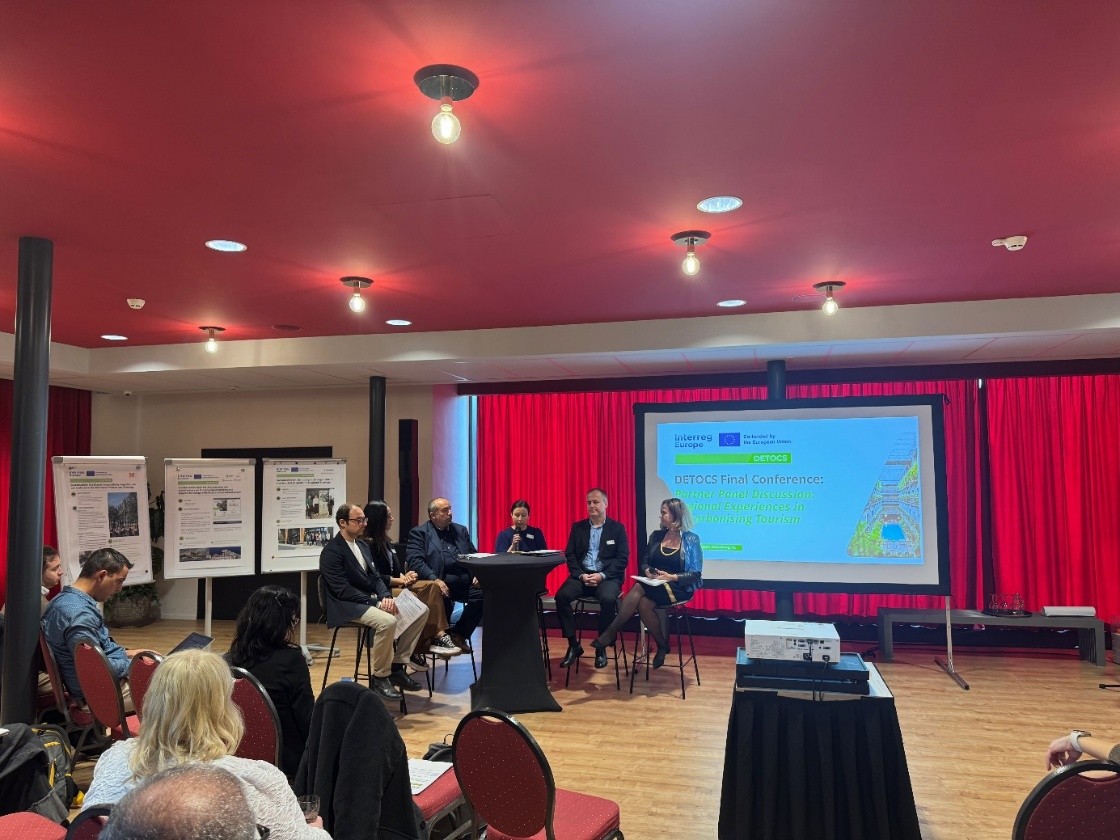
A partner panel discussion, moderated by Stefan H. Spitzer of EIfI-Tech e.V., brought together representatives from across the DETOCS partnership to share policy and technical perspectives on the experiences gained through the project. The panel featured Eszter Kocsis (Hungary), Brian Borg (Malta), Sanna Inkeri (South Ostrobothnia, Finland), Maria Apostolaki (Region of Crete, Greece), Renato Colonna (Campobasso, Italy), and Georgi Simeonov (Burgas, Bulgaria). Together, they reflected on the barriers encountered in their regions, the good practices that inspired them and the policy improvements developed to support energy efficiency and sustainable tourism.
The discussion emphasised that the project’s impact extends beyond the exchange of knowledge itself. The policy improvements developed through DETOCS provide a basis for continued action by local and regional authorities, helping to maintain momentum and support the wider adoption of sustainable tourism measures beyond the project’s conclusion.
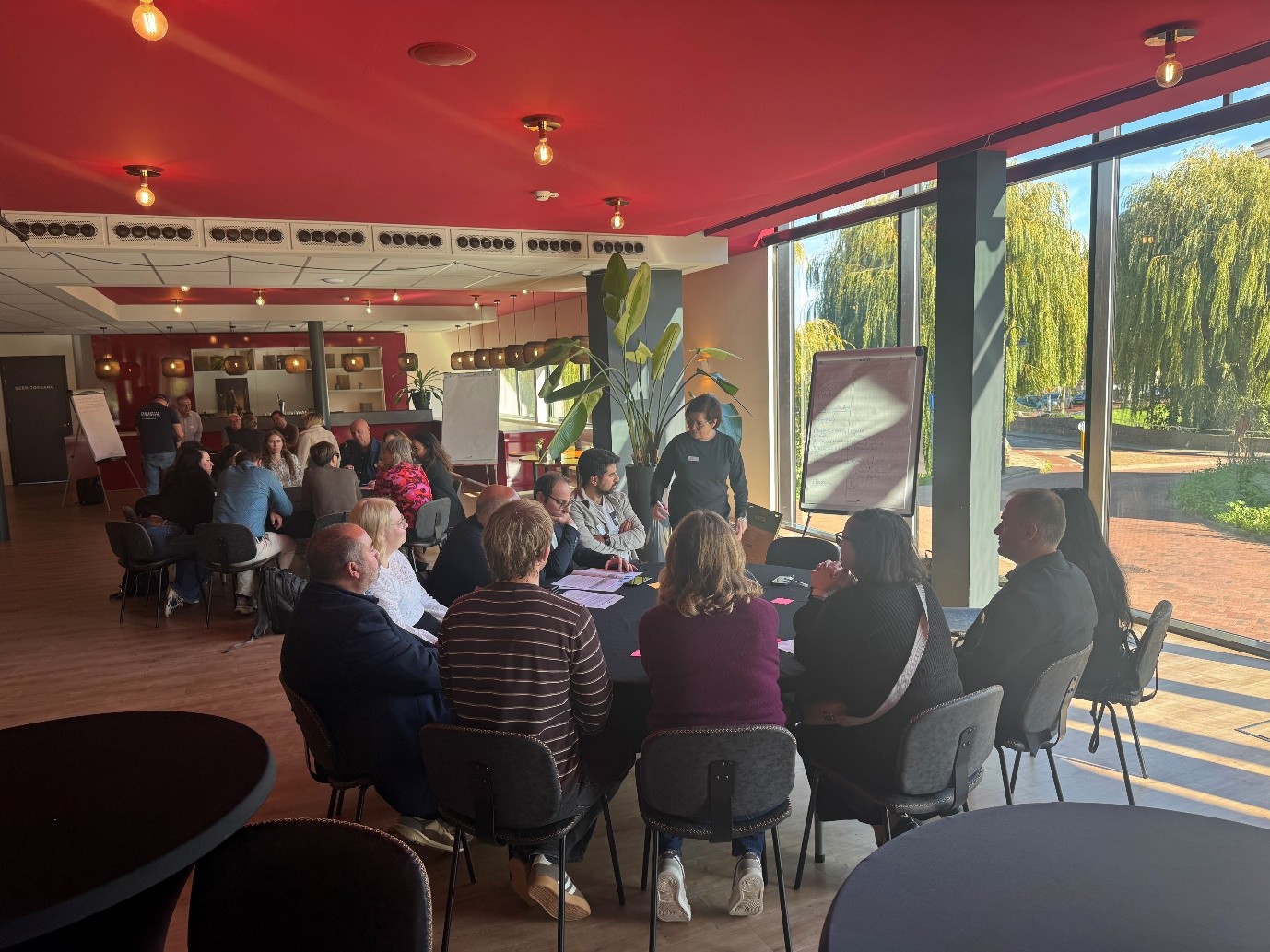
To conclude the conference, participants took part in three thematic breakout discussions addressing:
- Energy efficiency, green investments and funding, facilitated by Charles Yousif (University of Malta).
- Policy, governance and stakeholder engagement, facilitated by Maria Apostolaki (Region of Crete).
- Awareness, skills and capacity building, facilitated by Anne Marie Thake (University of Malta).
The sessions encouraged participants to identify practical next steps, share experiences from their regions and explore how DETOCS results could inform future policy development and be replicated elsewhere in Europe. Common priorities included improving access to finance, strengthening stakeholder engagement, developing the skills needed for the green transition and balancing energy renovation with heritage preservation.
Additionally, examples discussed during the breakout sessions highlighted practical ways to accelerate energy efficiency in tourism. In Campobasso, the energy community model attracted interest as a collaborative approach to renewable energy, with a proposed allocation of benefits among producers, consumers and community expenses. In Crete, participants discussed the potential for a platform showcasing sustainable hotels and good practices to raise visibility and encourage wider uptake. The discussions also emphasised the importance of targeted support for small tourism businesses, alongside practical training, knowledge transfer and train-the-trainer initiatives to help them adopt energy-saving measures.
A study visit showcasing sustainable solutions in Middelburg
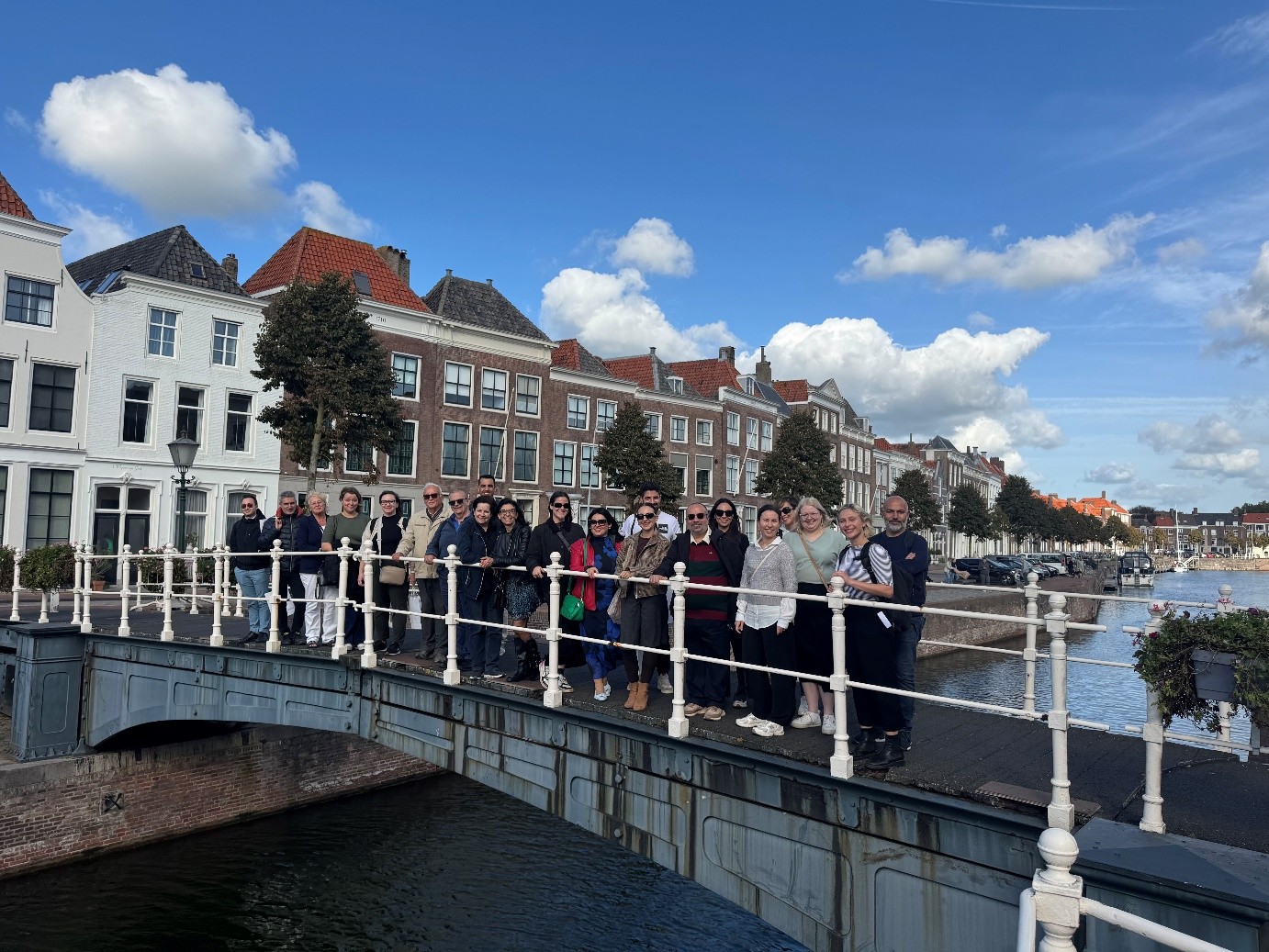
For invited stakeholders, the DETOCS final conference programme began on 14 October 2026 with a study visit hosted by the Municipality of Middelburg. The visit showcased practical sustainability initiatives and best practices across the city, demonstrating how public authorities, businesses and heritage institutions can reduce energy consumption, improve energy efficiency and contribute to more sustainable tourism.
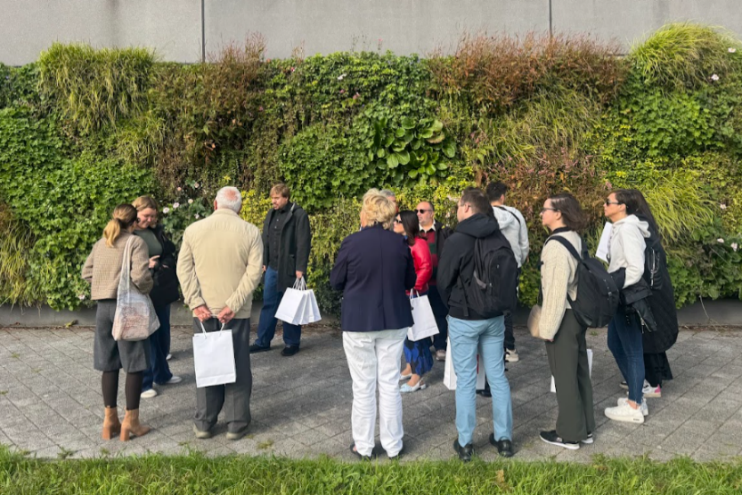
The “green wall” installed onto Middelburg’s municipal building (left) served as the first stop on the tour, where participants learned about the environmental benefits of the installation and its contribution to energy efficiency. The initiative was reported to reduce energy costs by approximately 10–15%, sparking considerable interest among participants in the potential of innovative green infrastructure to support more sustainable buildings.
The group was then introduced to “Warm Welcome with Closed Doors”, a campaign encouraging retailers in Middelburg’s city centre to keep their shop doors closed throughout both winter and summer. By reducing heat loss in colder months and preventing cooled air from escaping during warmer periods, the initiative helps businesses lower their energy consumption and bills. It also raises awareness among retailers and encourages them to take an active role in the city’s energy transition.
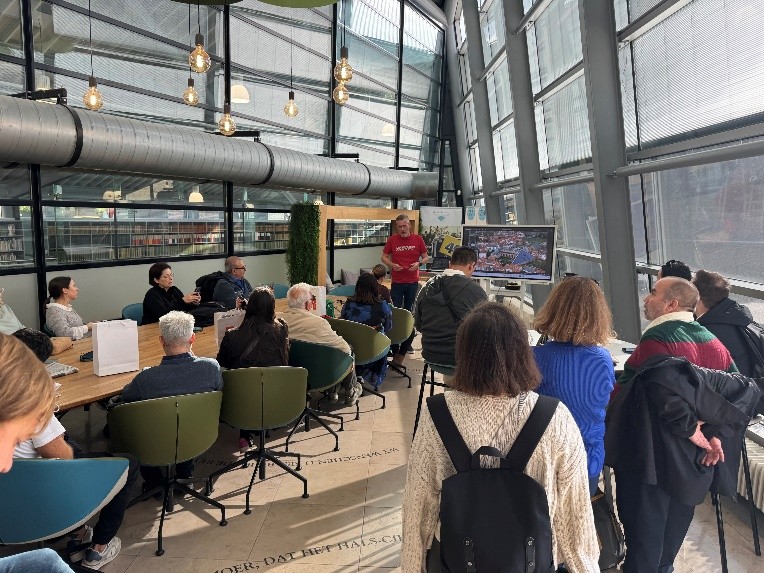
At the Zeeuws Archief, (right) participants explored how a public institution can improve its energy performance through renewable energy. The building is equipped with more than 300 solar panels, enabling it to generate a proportion of its own electricity on site. The installation was reported to deliver energy savings of approximately 33%, illustrating the potential of large-scale solar energy to support more sustainable public facilities.
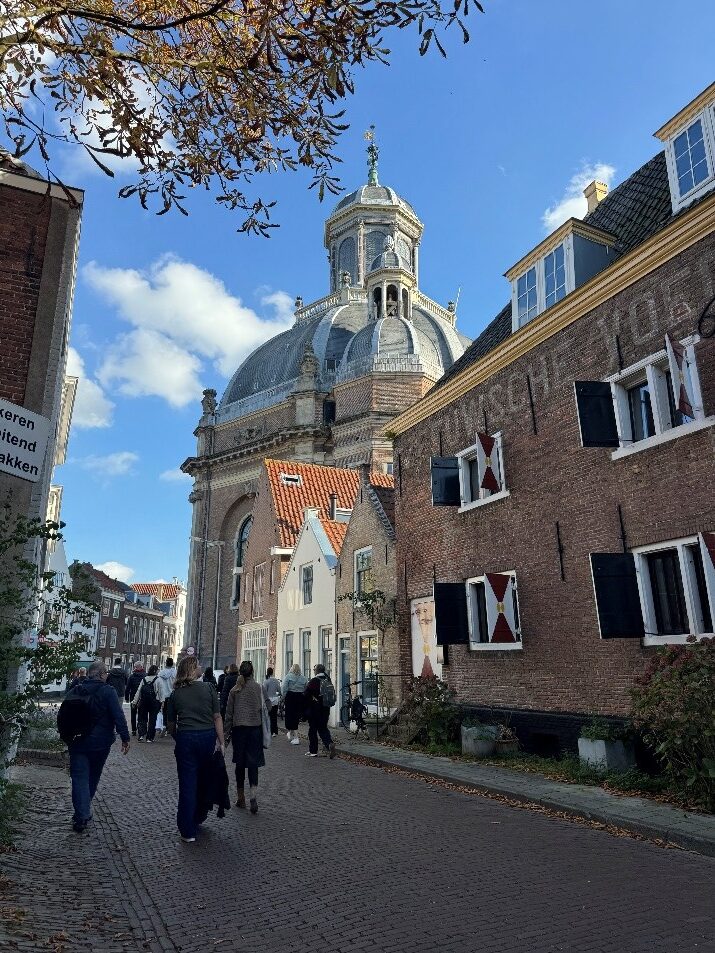
The visit also highlighted how energy efficiency can be improved in protected historic buildings. At the Oostkerk (pictured left), participants learned about the renovation of the historic church, which previously relied on an outdated heating system associated with high energy consumption and operating costs. Following major renovations in 2022, the building was equipped with a heat pump, underfloor and wall heating, insulated secondary glazing and an innovative horizontal air curtain beneath the dome.
The air curtain helps prevent warm air from rising into the church’s vast dome, keeping heat closer to the areas occupied by visitors and reducing unnecessary energy loss. Together, these interventions have reduced the building’s energy costs by approximately 50%. The Oostkerk provided a compelling example of how innovative heating technologies and targeted insulation can deliver substantial savings while respecting the architectural and heritage value of historic monuments.
The final stop was the Roosevelt Hotel, where the owner presented a range of sustainability measures introduced throughout the property. These included automatic doors to help reduce energy losses associated with heating and cooling, dual-flush toilets to reduce water consumption, and the replacement of the breakfast buffet with a menu-based service to help minimise food waste.
Across all five locations, the study visit demonstrated that decarbonising tourism involves more than major technological investments. A combination of building improvements, renewable energy, practical operational changes and stakeholder engagement can make a meaningful contribution to reducing environmental impacts.
The examples from Middelburg provided a valuable starting point for the discussions held at the final conference the following day, reinforcing the DETOCS project’s central message: sharing practical solutions across European regions can turn sustainability ambitions into tangible action.
Continuing the journey towards climate-neutral tourism
The final conference of the DETOCS project concluded with a shared recognition that, while European regions operate under different conditions, many face similar challenges in making tourism more sustainable. The exchange of experiences, practical examples and policy approaches has helped partners identify opportunities for action and develop solutions that can be adapted to their own regional contexts.
By bringing together public authorities, technical experts and tourism businesses, DETOCS has demonstrated the value of European cooperation in moving from shared challenges to concrete policy improvements. Its results provide a foundation for continued collaboration and for accelerating the transition towards a more energy-efficient, resilient and climate-neutral tourism sector.
The conference marked the culmination of the DETOCS project, but its lessons and policy improvements offer a starting point for further action across Europe’s tourism regions.
About DETOCS
DETOCS (Decarbonising the Tourism Industry Post Covid-19 Support) is an Interreg Europe project that brings together partners from eight European countries to support the decarbonisation of the tourism sector through interregional cooperation, policy learning and the exchange of good practices. The project focuses on identifying common challenges, improving regional and local policies, and promoting practical approaches to energy efficiency and sustainable tourism.
For further information about the DETOCS project, including practical tools such as the Joint Thematic Guidebook or Good Practice Brochure, please visit our website at www.interregeurope.eu/detocs.