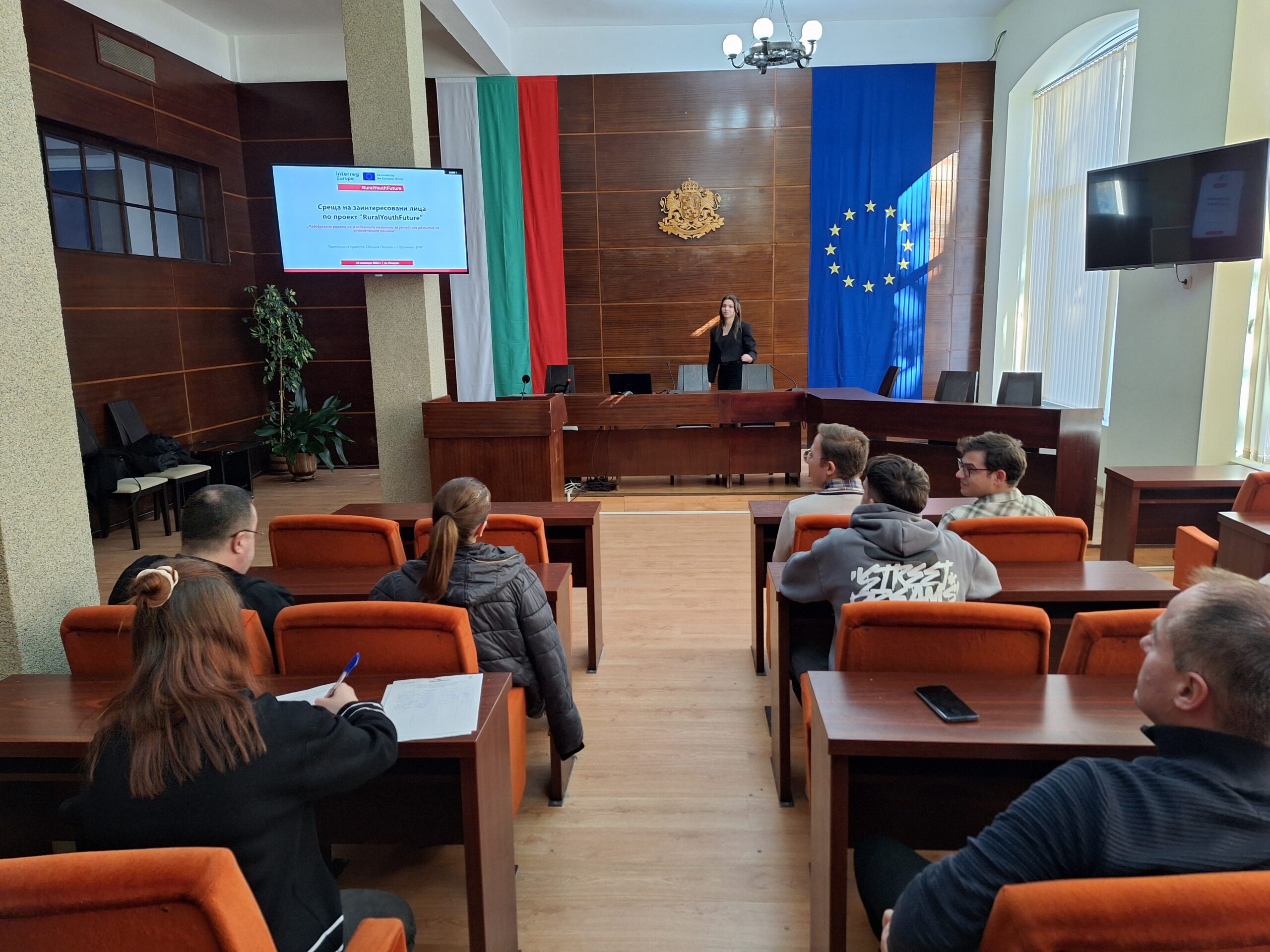
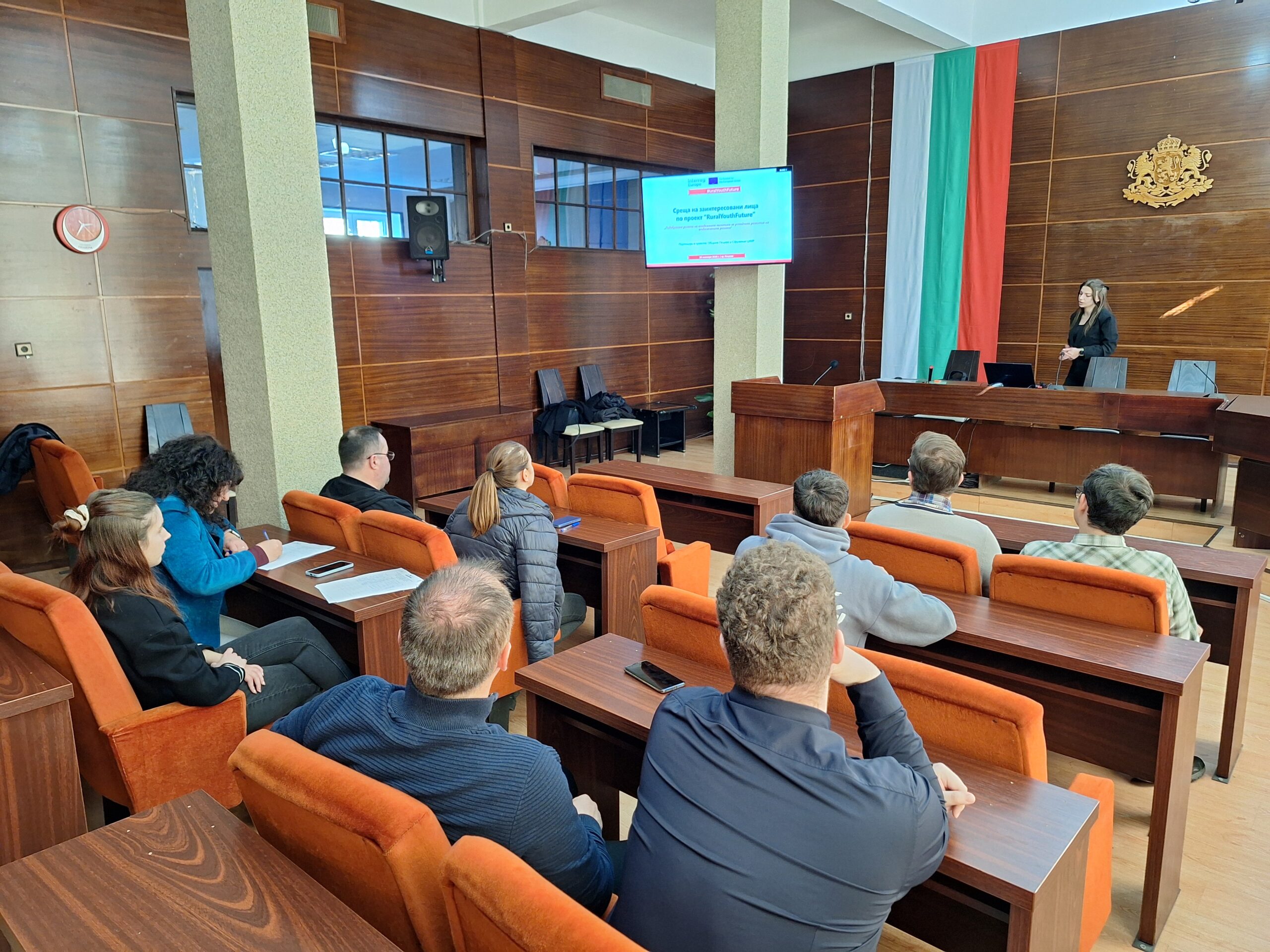
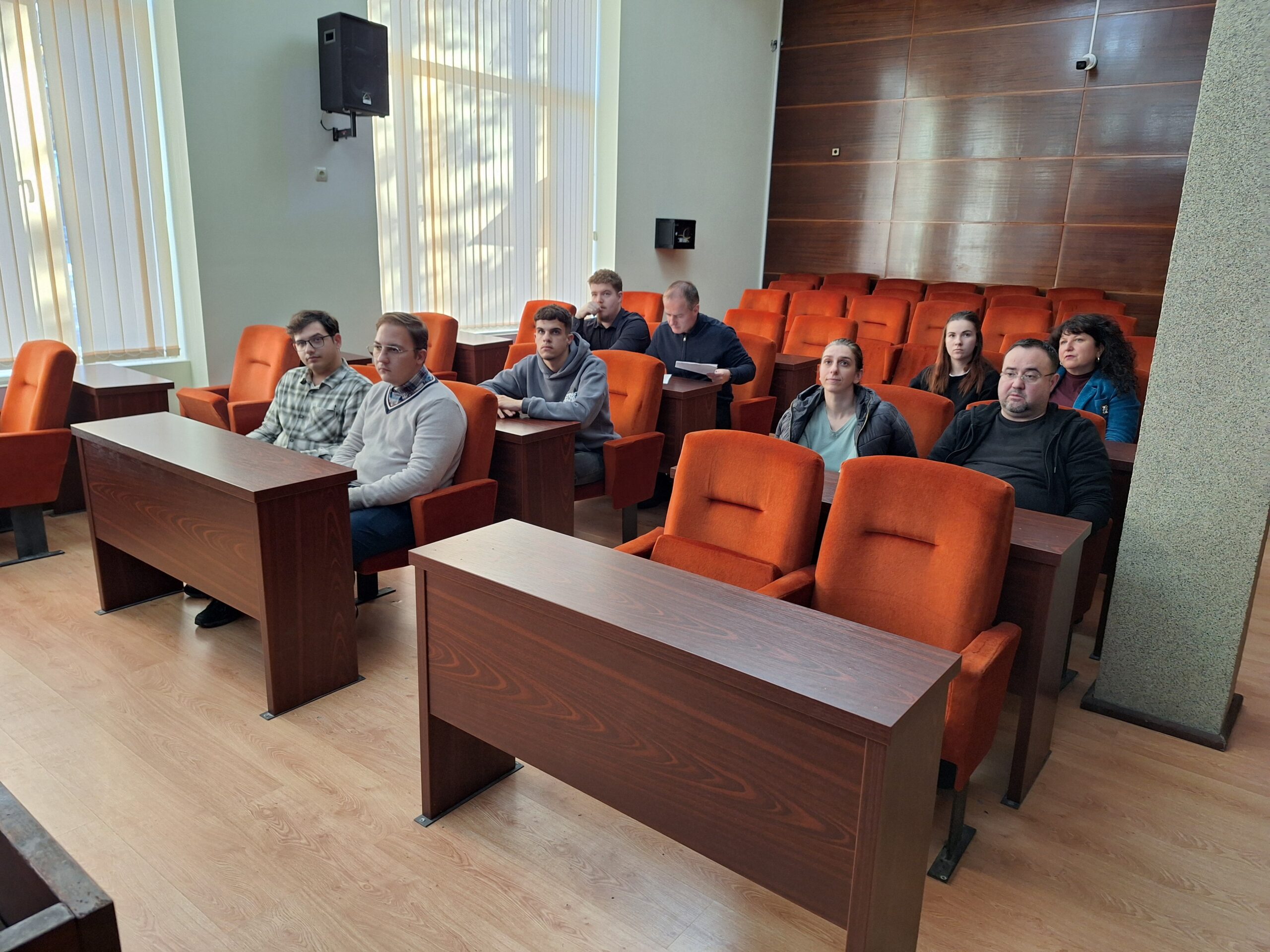
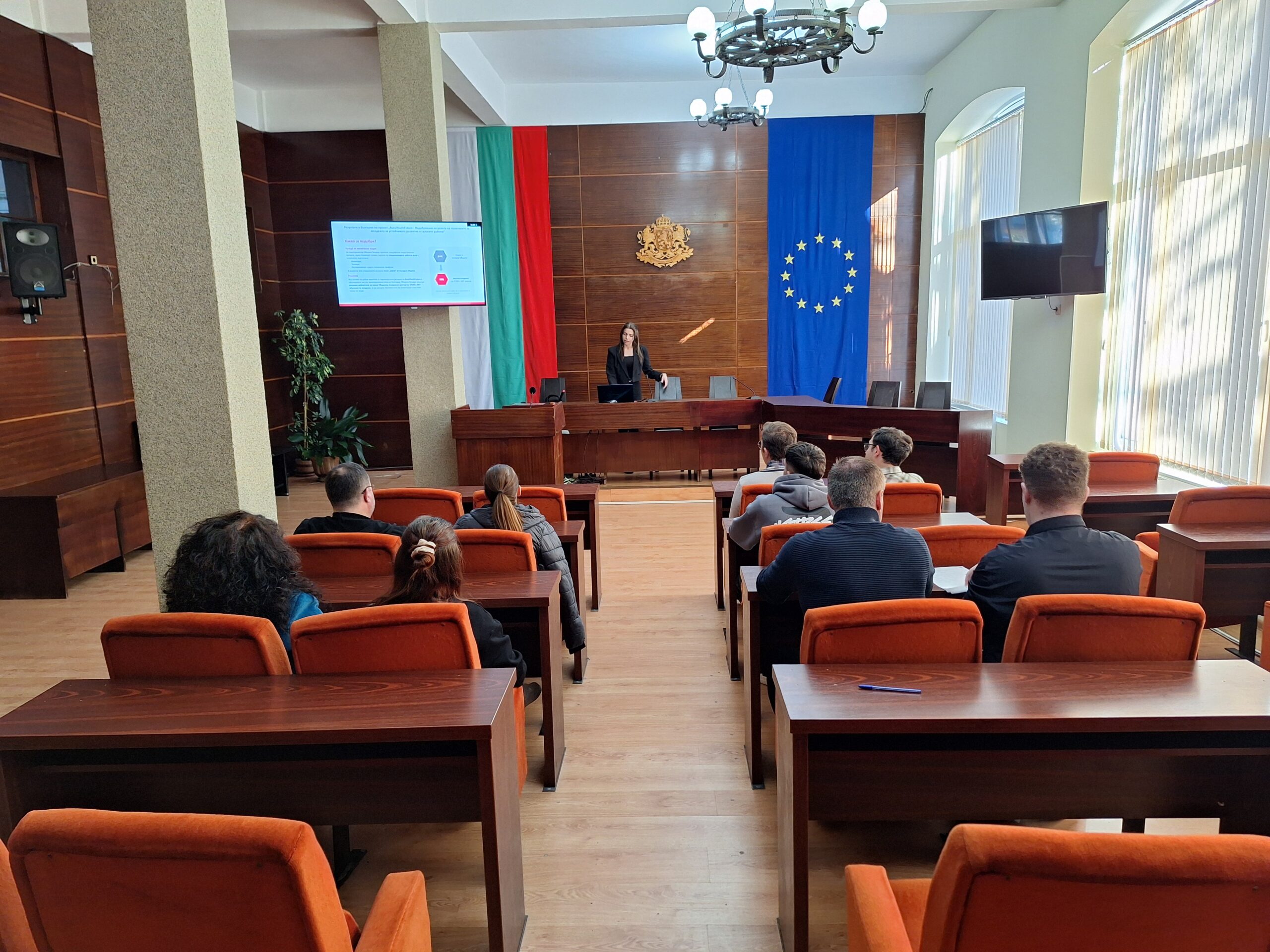
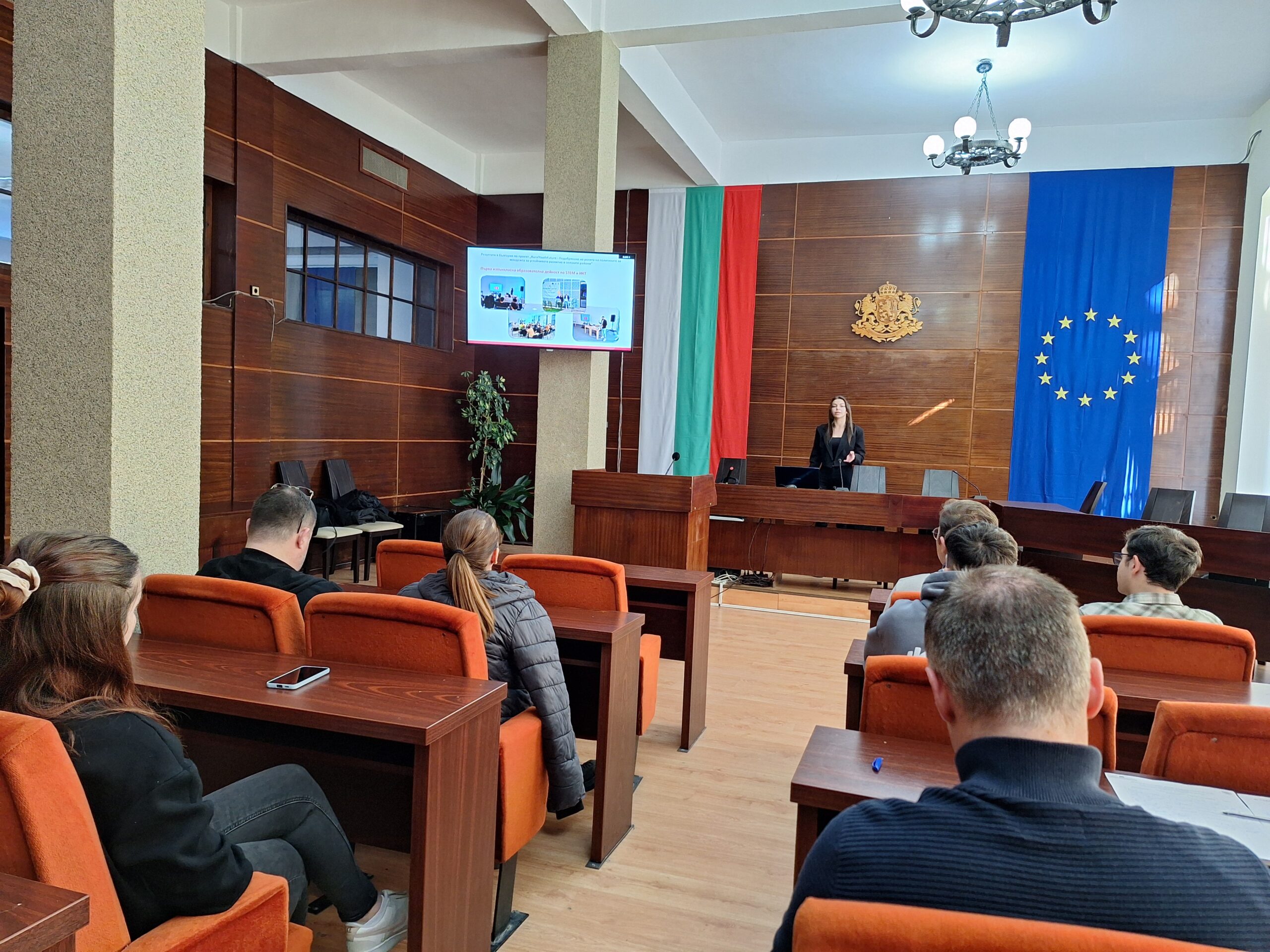
Eighth Stakeholders Meeting within the RuralYouthFuture project
On the 24th of November 2026, the eighth stakeholders’ meeting within the frame of the Rural Youth Future project (Improving the role of youth policies for rural sustainable development), co-funded by the Interreg Europe Programme 2021-2027, took place in Peshtera, Bulgaria. The event was organized by the Association “Centre for Sustainability and Economic Growth” and hosted by the Municipality of Peshtera.
The meeting brought together stakeholders at a local and regional level, including representatives from municipal administrations in the region, the educational sector, the business community, an environmental and energy agency (Regional Energy Agency of Pazardjik – REAP), the SMEs’ association (NEST) and other local institutions.
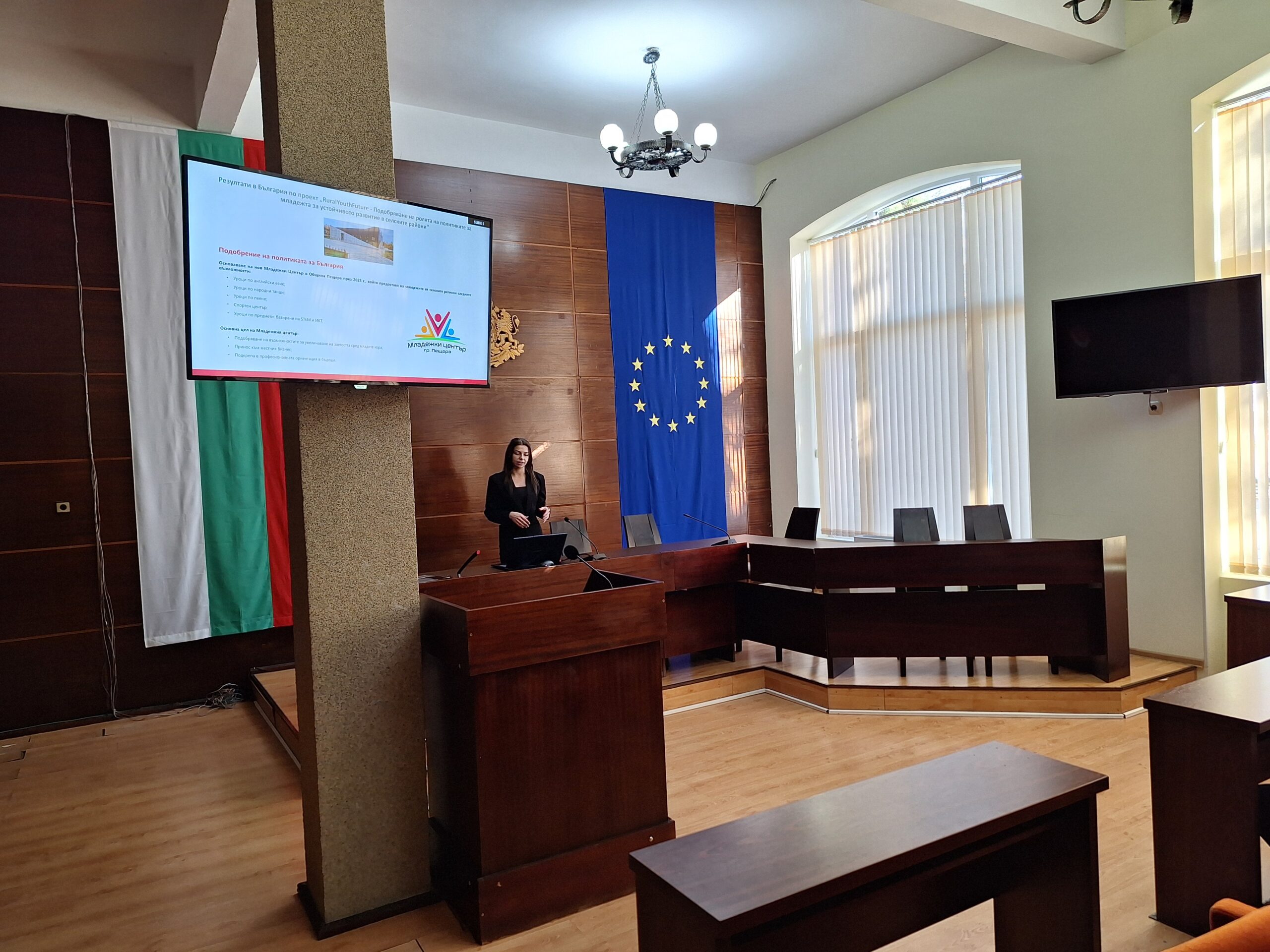
The main focus of the meeting was the progress and results achieved through the Bulgarian policy improvement, developed within RuralYouthFuture, and its contribution to creating better educational and professional opportunities for young people in the region.
A key result from this initiative was the expansion of the activities of the Municipal Youth Center in Peshtera, launched in mid-2025. Building on good practices exchanged through RuralYouthFuture, the Municipality decided to complement the centre’s existing educational, cultural and sports activities with STEM- and ICT-based learning opportunities.
The policy improvement was inspired by two good practices shared during the project’s international study visits: the VIZIUM Science Centre in Ventspils, Latvia, offering STEM and ICT education, and GOMA – Gomes Teixeira Academy of Sciences in Armamar, Portugal, promoting scientific culture through cooperation between young people, scientists and the local community. These examples showed how youth centres can go beyond traditional recreational and cultural activities and become platforms for informal science and technology education.
The experience highlighted the benefits of connecting youth policies with local labour market needs. Developing STEM and ICT skills can improve young people’s employment prospects while helping businesses find qualified staff. It also demonstrated the importance of cooperation between local authorities, educational institutions, young people and businesses in supporting sustainable regional development.
The meeting concluded with an open discussion, during which stakeholders expressed their support for the initiative and emphasised the importance of providing equal learning opportunities, particularly for young people from disadvantaged backgrounds and vulnerable groups.